
I like winter for about a month, then I get tired of the cold, ice, snow and dark.
When you’re outside, you can bundle up and add another layer. But how about when you’re indoors? You may be tempted to just crank up the heat, which we know uses a lot of energy.
Instead, here are some sustainable heating tips to keep you feeling toasty while saving energy and reducing your power bill! You may not be able to control all these things if you’re renting, but there are some settings that you can adjust even when living in an apartment.
The environmental impacts of heating homes
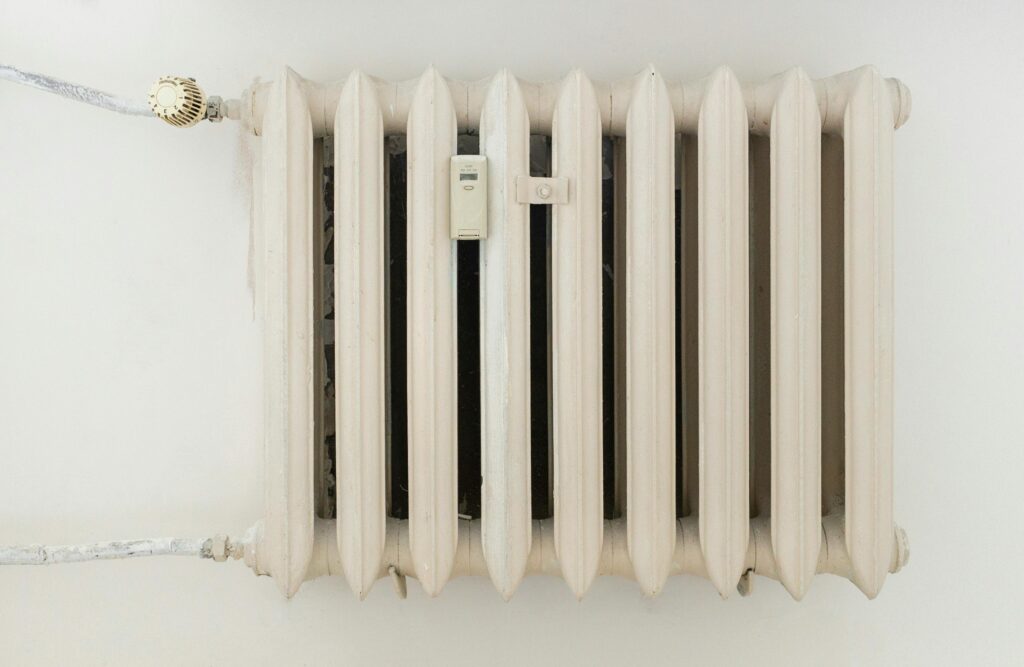
Globally, heating and cooling generate over 5 billion tons of CO2 a year, or almost 15% of all carbon emissions from human energy use. The majority of those emissions come from heating, for a few reasons. The energy for heating often comes from fossil fuels like natural gas and oil, and heating must overcome big temperature distances and improper insulation. Heating systems have also historically been more widespread, though that’s changing as global incomes and temperatures rise.
Here in Canada, space heating accounted for 63.6% of the energy used in the average home in 2019. This is not surprising given our cold winters! Canadian homes are often heated by a furnace or electric baseboard heaters. The higher energy demand in the winter can put pressure on the grid, leading utilities to make tough choices.
Sustainable heating tips
Those of us living in colder climates can’t escape the need for heat during the winter. But there are some changes we can make, small and big, to save energy when it’s cold outside.
Turn the heat down a couple degrees
The easiest tip on this list is to turn the heat down a couple degrees! In many cases, you can turn the heat down one or two degrees without sacrificing comfort. Lowering the temperature by a single degree can reduce energy costs by 6%.
Most people are comfortable with temperatures between 18° and 21°. If you’re able to adjust the temperature for each room, WOLF lists the comfortable temperature for different rooms (bedrooms and basements can often be set at slightly lower temperatures than other spaces).
To compensate for the lower temperature, try putting on a sweater and warm socks, wrapping yourself in a blanket, or drinking a warm beverage!
Adjust the settings on your thermostat
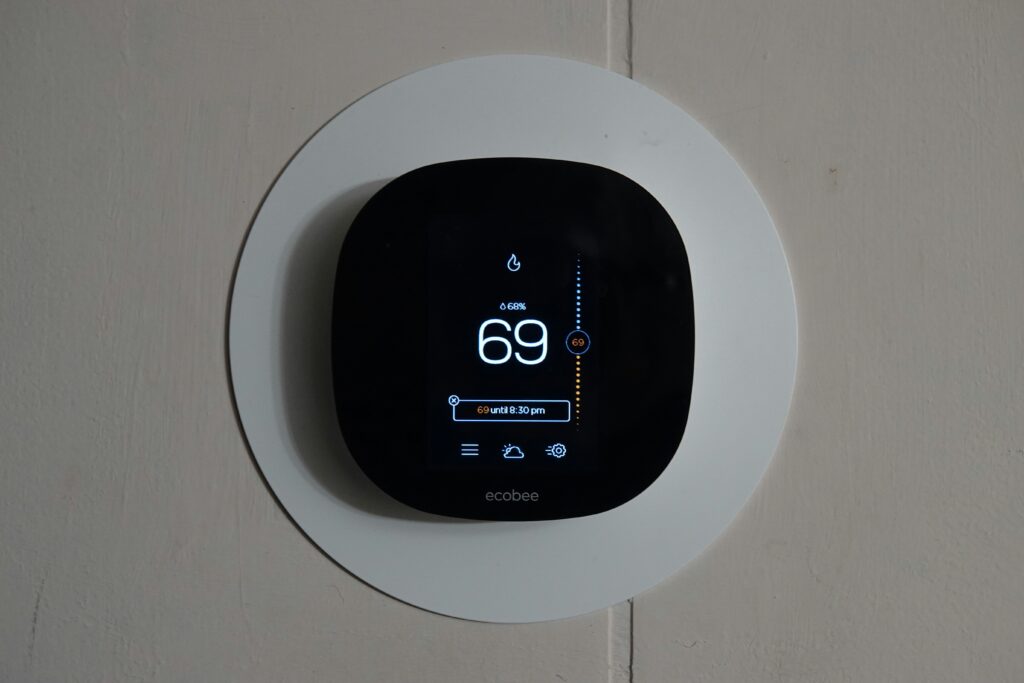
Many modern thermostats allow you to further fine-tune temperature settings to save energy.
For example, you may be able to set different temperatures in different rooms or program temperatures to be lower when you’re away from home or sleeping. You can sometimes access the thermostat remotely to adjust the temperature when you’re away from home. Some smart thermostats may even learn your habits and adjust temperatures automatically.
Learn more about smart thermostats on this page from Natural Resources Canada.
Open blinds during the day and close them at night
Another simple tip is to open blinds during the day and close them at night! Opening blinds during the day lets in sunshine to warm your home. Closing blinds at night (particularly if they are thick curtains) helps stop heat from escaping.
On a related note, make sure to keep windows and doors closed during the winter. Though the fresh air may feel nice, the cold means that the heating system has to work harder to maintain your desired temperature.
Improve your insulation
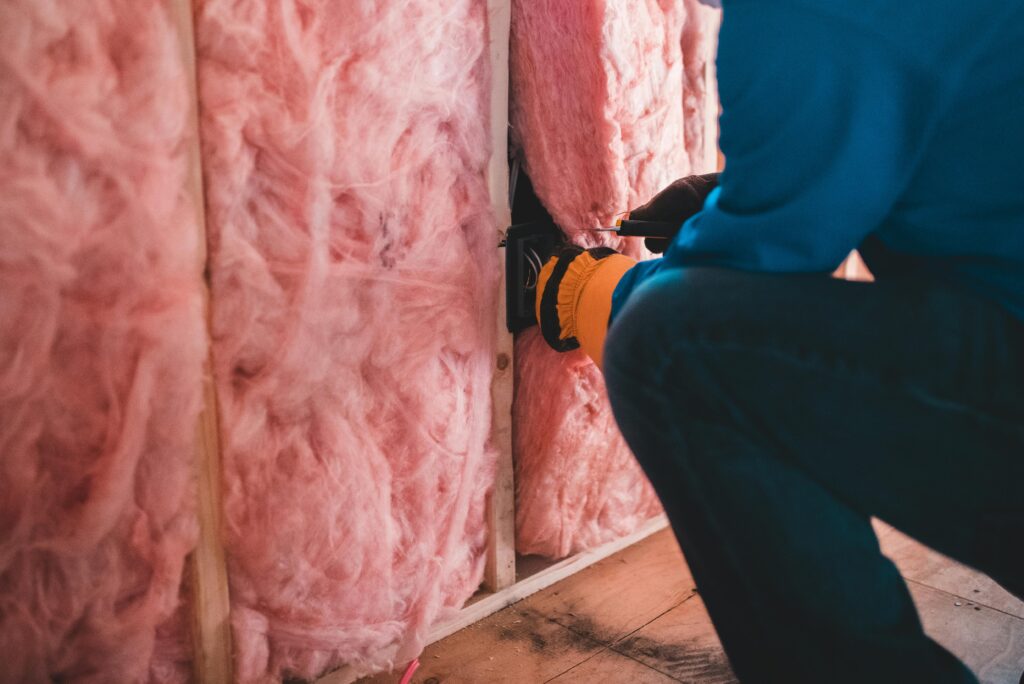
It’s a bigger investment, but improving your home’s insulation will improve energy efficiency and save money in the long run. Poorly insulated homes let heat escape outside.
When it comes to insulation, it’s time to call in a pro! Some of the main types of insulation are wall insulation, roof or attic insulation, and floor insulation. You could also look at upgrading windows to double or triple glazed to help keep heat in. Learn more about home insulation in this home heating guide from Nu-Heat and in this guide from Natural Resources Canada.
A smaller project is draft proofing, which involves blocking small gaps in doors and windows. For example, you can put draft stoppers at the base of doors or apply draft excluder tape to windows. Learn more about draft proofing in these articles from Home Depot and BC Hydro.
There may be grants available to help with improving home energy efficiency. If you’re located in Canada, try searching using this directory.
Change your source of heat
If you’re able, making the switch from fossil fuel-powered heating to renewable energy, or to a more energy-efficient appliance, will make a big impact on reducing your energy use for heating.
For example, heat pumps extract heat from the ground or air and transfer it to your home, which is more efficient than traditional heating methods. A typical U.S. home could reduce its heating emissions by 45 to 72% by swapping its gas-powered furnace for an electric heat pump.
You can also look at the source of energy. Solar panels are known for converting solar energy into electricity and can also be used to heat water. Alternatively, biomass heat uses organic materials (often wood pellets) to produce heat.
How to heat a home sustainably
In many parts of the world, heating a home accounts for a sizeable percentage of energy use. Small changes to habits, done consistently, make a difference for saving energy. If you have the means and opportunity, you can also look at making bigger changes like improving your insulation or switching your source of heat.
I want to know: How do you heat your home sustainably?
Categories and tags:
Share this post:
