My own personal hell would be sitting listening to a tap drip and being unable to do anything about it. When I was a kid, I put a cup in a dripping sink to show my parents how much water was being wasted.
It’s easy to forget about conserving water when it comes of the tap, often for free and seemingly abundant. Yet water is a precious resource that’s under strain around the world.
Here are some ways to save water. They require varying levels of effort and have varying levels of effectiveness. Let’s dive in!
The availability of water around the world
Looking globally, the demand for fresh water has increased by just under 1% per year since the 1980s. According to some estimates, global demand for fresh water will surpass supply by 40% by 2030. Approximately half of the world’s population experiences severe water scarcity for at least part of the year. We know that climate change is making droughts more frequent and more severe. For example, parts of Atlantic Canada experienced exceptional drought last summer and fall.
Here in Canada, we’re lucky to have 6.5% of the global water supply, although 60% of that fresh water flows north. We tend to take our water availability for granted: Canadians have the third-highest water consumption rate per capita. In 2021, we used an average of 223 litres per person per day.
If you’re curious how much water you use, try this water footprint calculator (use the extended version for a more-precise result).
Tips for conserving water
Saving water doesn’t have to be difficult! Make a few of these changes to your habits to conserve water without disrupting your routine. If you’re feeling ambitious, try replacing some fixtures with water-efficient versions for extra impact.
Turn the water off while you’re brushing your teeth

It may sound basic, but turning the water off while you’re brushing your teeth is an easy way to save water. In fact, turning off the tap while brushing saves about 12 litres of water—every time.
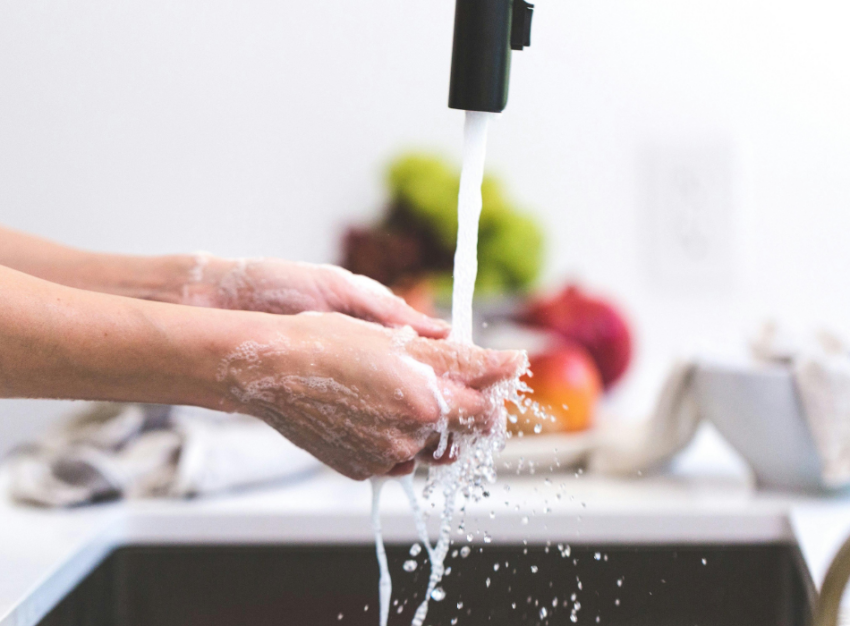
This tip also applies to other similar activities, such as shaving, washing dishes, and showering. When you don’t need the water to be running, turn it off!
Be careful about consumption
Think before using water for everyday tasks. Small changes to your habits add up. For example, fill a jug of water and leave it in the fridge. That way, you won’t need to run the water until it’s cold every time you want a glass of water.
You can also reuse the water left in the kettle. If that gives you the ick, use your mug to measure the exact amount of water you’ll need (just make sure to fill to at least the minimum fill line).
Take shorter showers
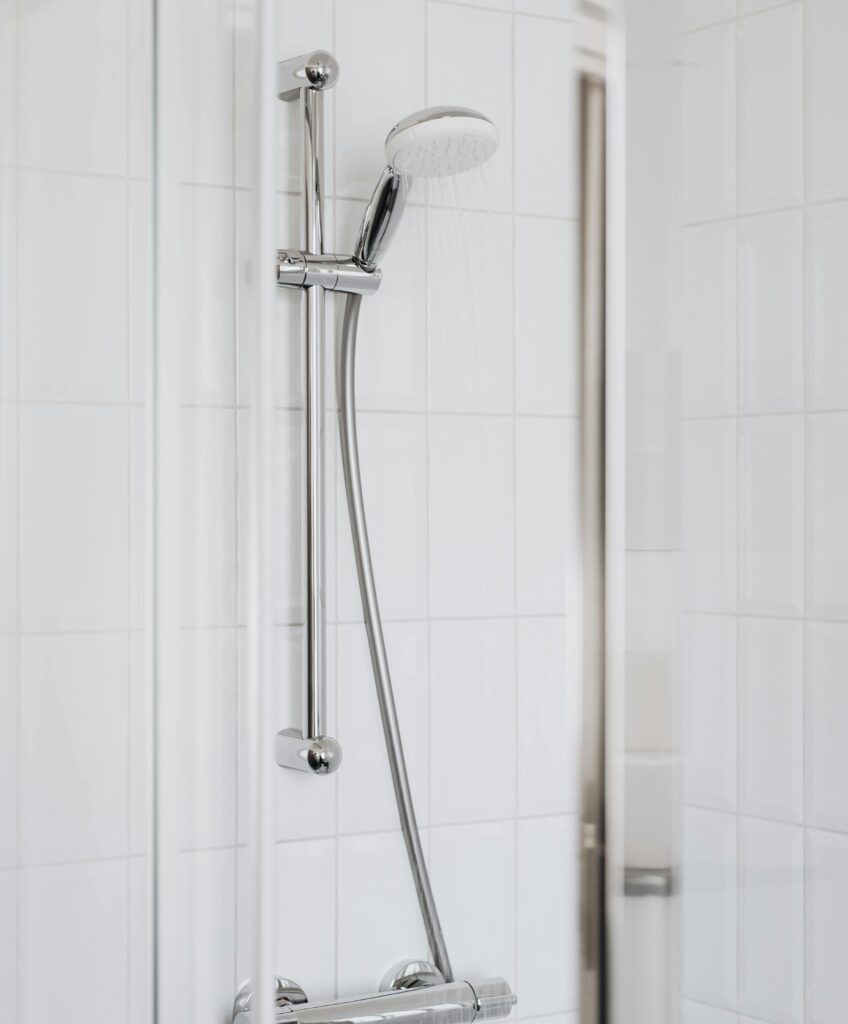
Showering is an activity that uses a lot of water. A typical shower uses between eight and 12 litres of water per minute. If you shorten your showers by a minute or two, you’ll save up to 500 litres of water per month. A good rule of thumb is to aim for showers that are five minutes or less.
If, like me, you struggle to take short showers, check out my blog post on taking shorter showers. A few tips are to set a timer, make a shower playlist, and use cold(er) water.
Reuse water for other purposes
Who says that you only need to use water for one thing? Try using cooking water, for example from cooking pasta or washing vegetables, to water plants. Just make sure not to pour soapy water on anything edible!
You could also collect water from showering or bathing and use it for other purposes. For example, you might want to collect water in a bucket as you wait for it to heat up. You can then use this water to flush the toilet.
Only run the dishwasher and washing machine when they’re full
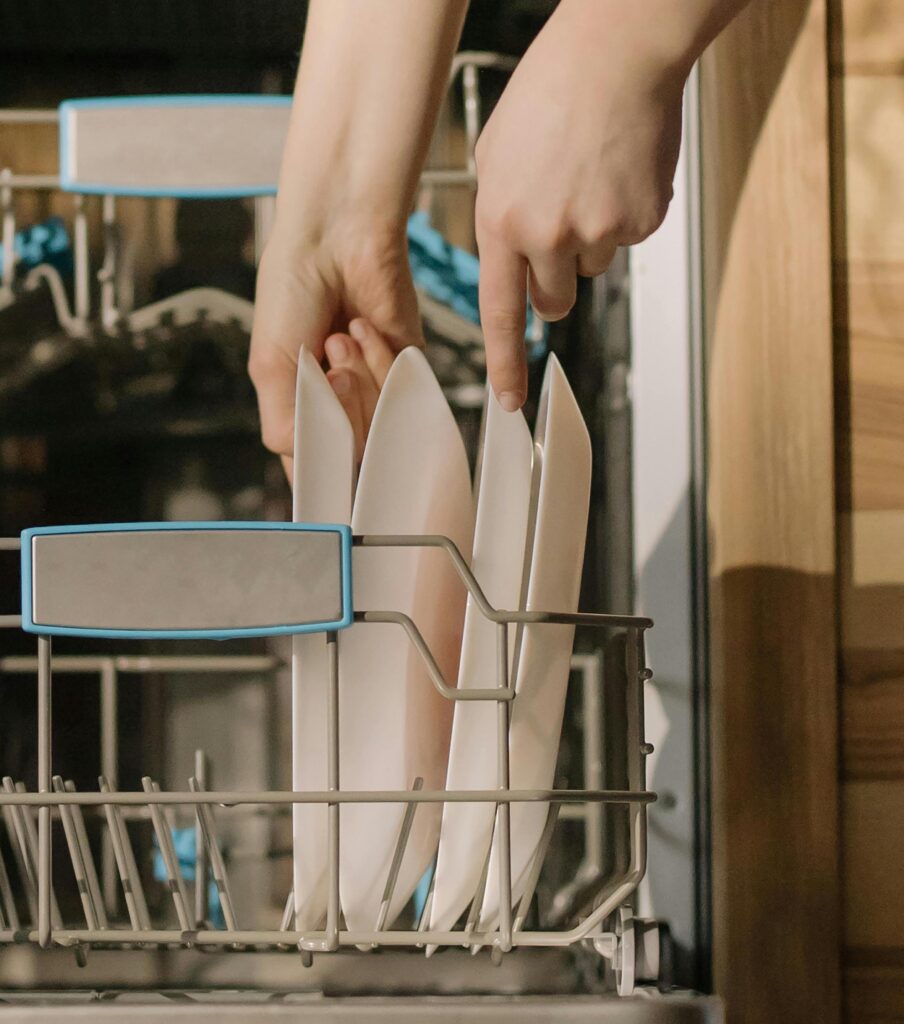
When possible, only run the dishwasher and washing machine when they’re full. This will save both water and energy!
You can also do laundry less often by rewearing certain clothes. If you need to wash a smaller load, you may be able to adjust the settings for a smaller load size.
Get my other sustainable laundry tips here.
Install water-efficient fixtures
It’s a bit more work, but installing water-saving fixtures allows you to reduce the amount of water you use without even trying! These types of fixtures include low-flow showerheads, dual-flush or low-flush toilets, and aerators for faucets. Aerators reduce the flow rate by mixing the water with air. Learn more about water-efficient fixtures in this article from Realtor.com.
Look as well for products with the WaterSense label. These products are at least 20% more efficient than conventional products.
Fix leaky taps
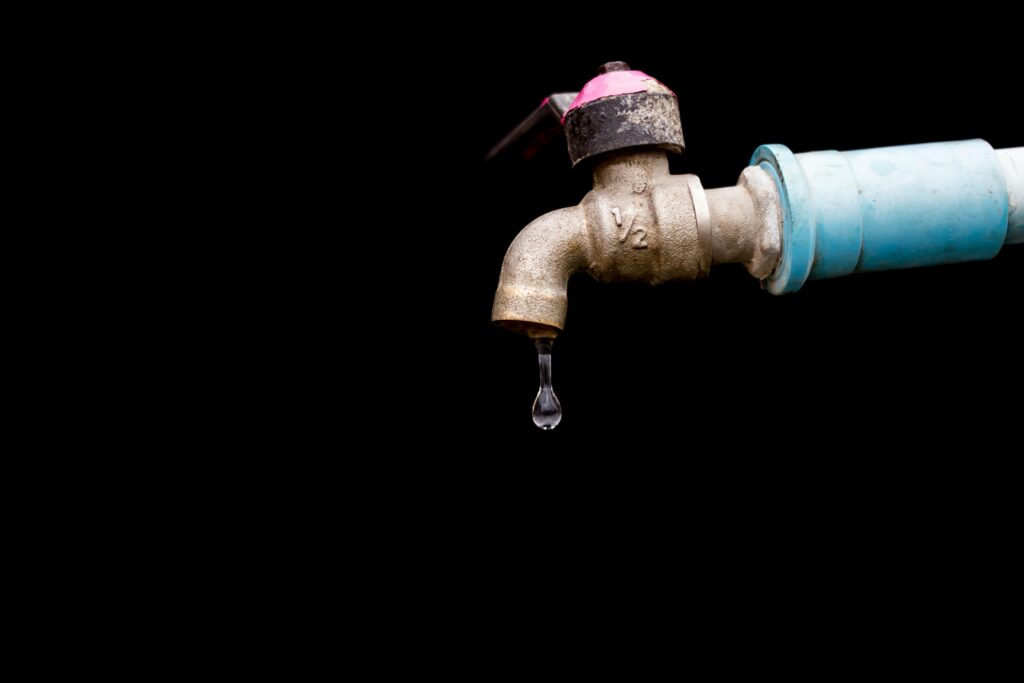
It’s not just your imagination—leaky taps do waste water! A tap that leaks one drop per second would fill a bath tub every week.
Keep on top of the drips by checking regularly for leaks. You can do a visual inspection or use a leak detector or flow monitoring device, which will alert you to irregular water use.
If you do find a leak, try fixing it yourself or calling in a pro.
Easy ways to save water
Don’t let your water use get away from you! Small actions add up when it comes to water conservation. Try some of these tips to save water around the home.
I want to know: How do you save water?
Categories and tags:
Share this post:
