

I like to cook and bake. When I cook, I often make messes, whether that’s spilling sauce, getting flour on the counter or dropping utensils.
It can be easy to just reach for the paper towel when you make a mess. But reusable alternatives to common kitchen items are just as easy to use, better for the planet and often cheaper in the long run.
Here are some sustainable swaps to reduce the waste you generate in your kitchen. Even making a few of these changes will make a big difference!
Sustainable kitchen swaps
From paper towel to Ziploc bags and plastic wrap, there are lots of disposable items in the average kitchen. Try some of these swaps today to make your kitchen more eco-friendly!
Reusable cloths
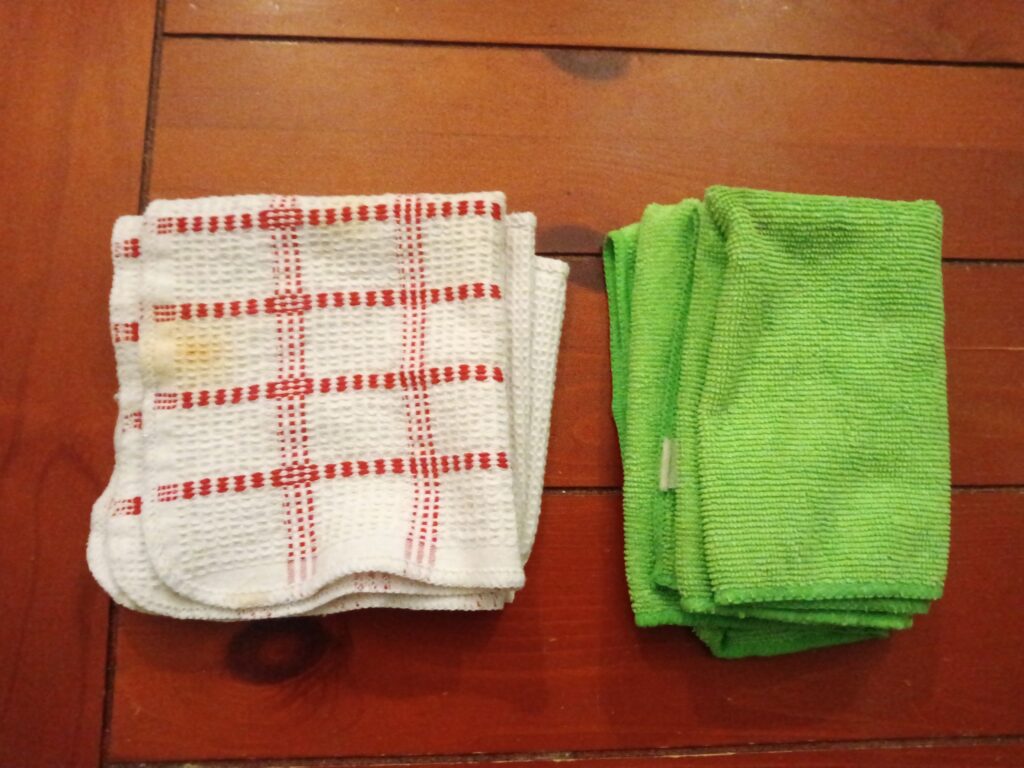
Replaces: Paper towel
Instead of paper towel, use reusable cloths, tea towels or rags for cleaning up spills. These cloths can be used several times and then tossed in the laundry.
If reusable cloths don’t work for your home, try using those blue multi-purpose cloths that can be used several times before being tossed. It’s still better than single-use paper towel.
Reusable containers
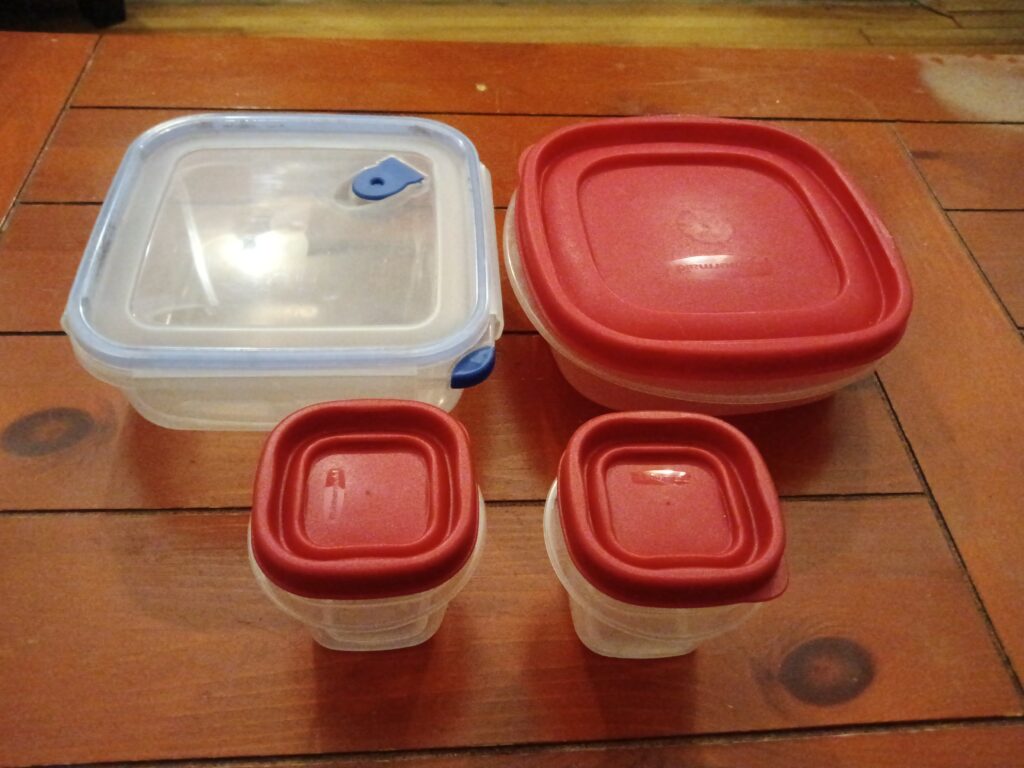
Replaces: Disposable containers
To replace single-use containers like takeout containers and Ziploc bags, use reusable containers! These containers come in different shapes, sizes and materials. You can use reusable containers for storing leftovers (in the fridge or freezer), packing school or work lunches, and more.
If possible, get stainless steel or glass containers to prevent chemicals from leaching into your food. Some reusable containers can even go in the dishwasher, though it’s best to check with the manufacturer to be sure.
Reusable snack bags
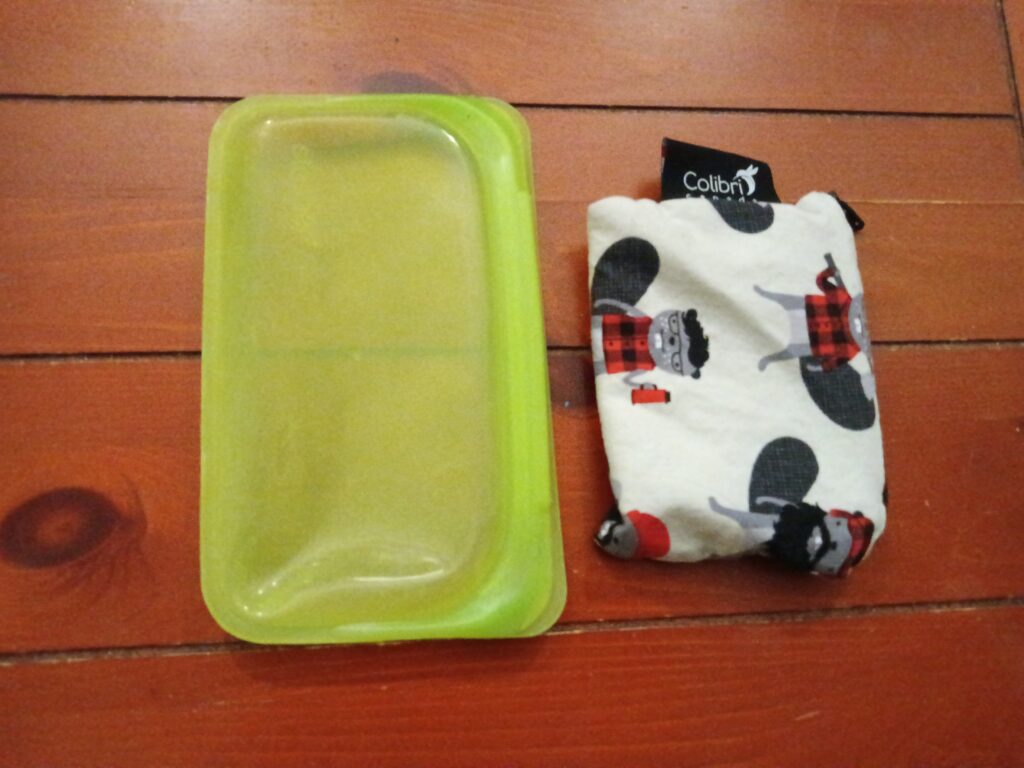
Replaces: Ziploc bags
There are several reusable alternatives to plastic Ziploc bags, including bags made of silicone (such as Stasher) or fabric (such as Colibri). Use these types of bags to store and transport dry foods like crackers, dried fruit, carrot sticks or trail mix.
Silicone storage bags are leakproof, airtight, and dishwasher and freezer safe. Cloth bags can generally go in the laundry. If you’re feeling adventurous, try making your own reusable fabric snack bags!
Beeswax wrap
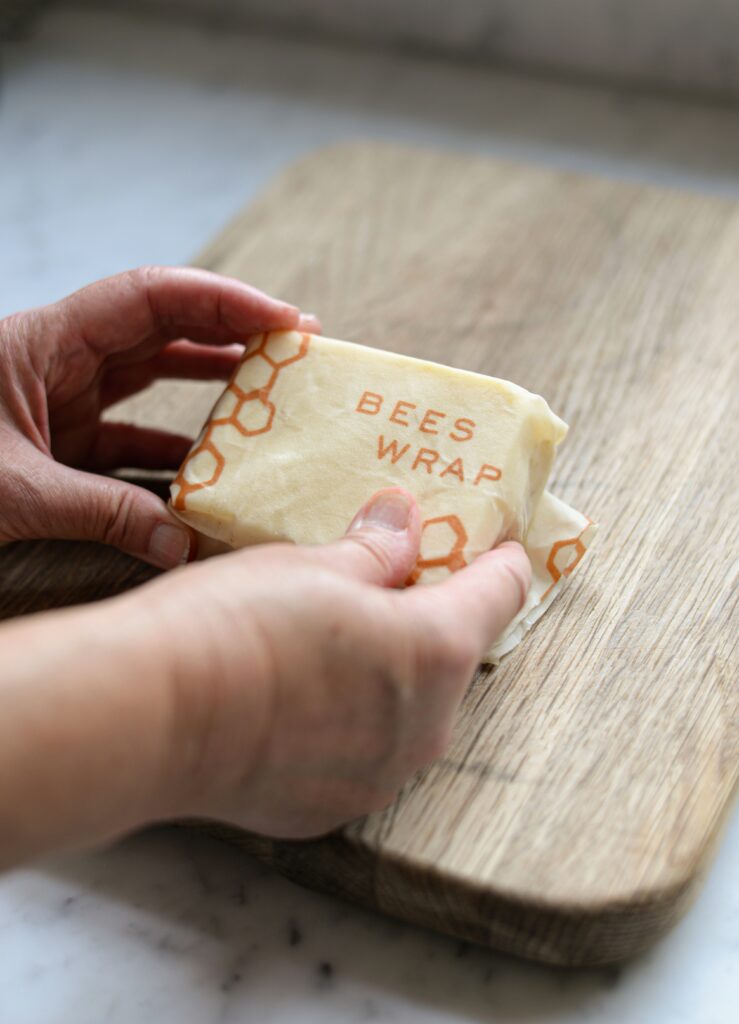
Replaces: Plastic wrap
Plastic wrap is disposable, can leach plastic into food and doesn’t even stick that well anyways! Try using beeswax wrap instead. This wax is reusable (it can be reused about 500 times) and compostable at the end of its life.
To use beeswax wrap, warm it a bit with your hands then mould it onto the container or bowl. Beeswax wrap should be hand washed in cool water.
Other reusable alternatives to plastic wrap include silicone bowl covers and putting a plate upside down on a bowl.
Silicone baking sheet

Replaces: Parchment paper
Silicone baking mats, such as Silpat, are a reusable alternative to parchment paper for lining baking sheets. No more cutting parchment paper to the exact right shape or scrubbing stains off your baking pans!
You can use a silicone baking mat for baking cookies, roasting vegetables and more. Just make sure to take care of your silicone mat properly to extend its life. Find out how to clean a silicone baking mat.
Eco-friendly dishwashing tools
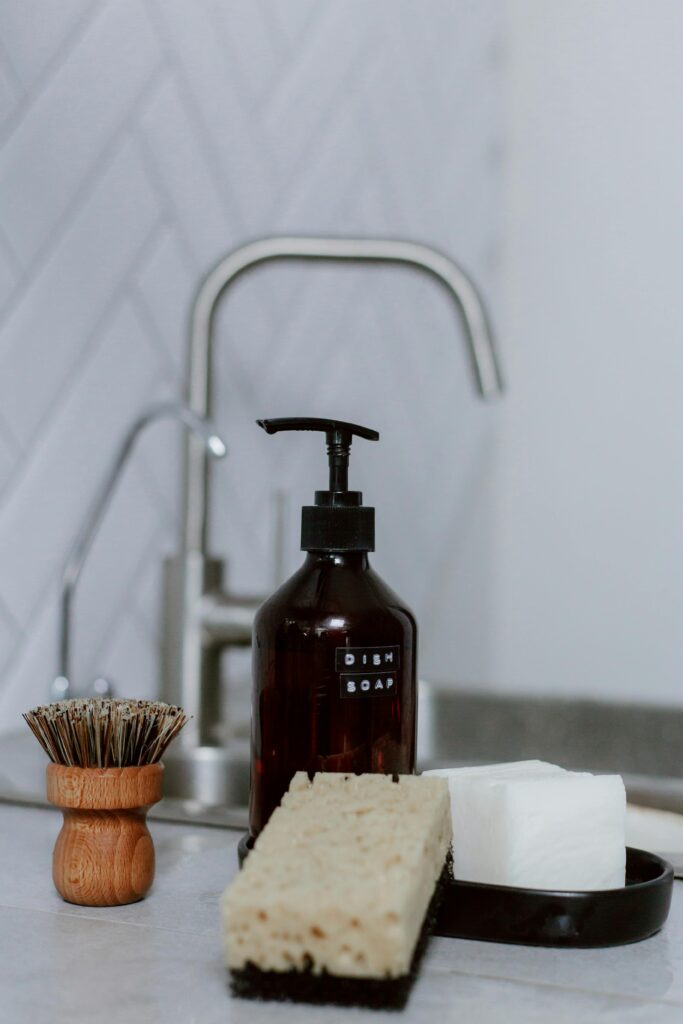
Replaces: Dish sponges and other disposable dishwashing tools
When you think about it, handwashing dishes can use a lot of disposable items: dish sponges, scouring pads, scrubbers and more. You may not be able to hang on to dishwashing tools forever. But you can at least make sure they’re made of a more sustainable material, such as bamboo, wood or coconut. These natural materials are often also biodegradable at the end of their life.
A few sustainable dishwashing tools you may want to try are bamboo dish brushes, coconut scrubbers, loofah dish sponges, wooden pot scrapers and Swedish dishcloths.
Reusable produce bags
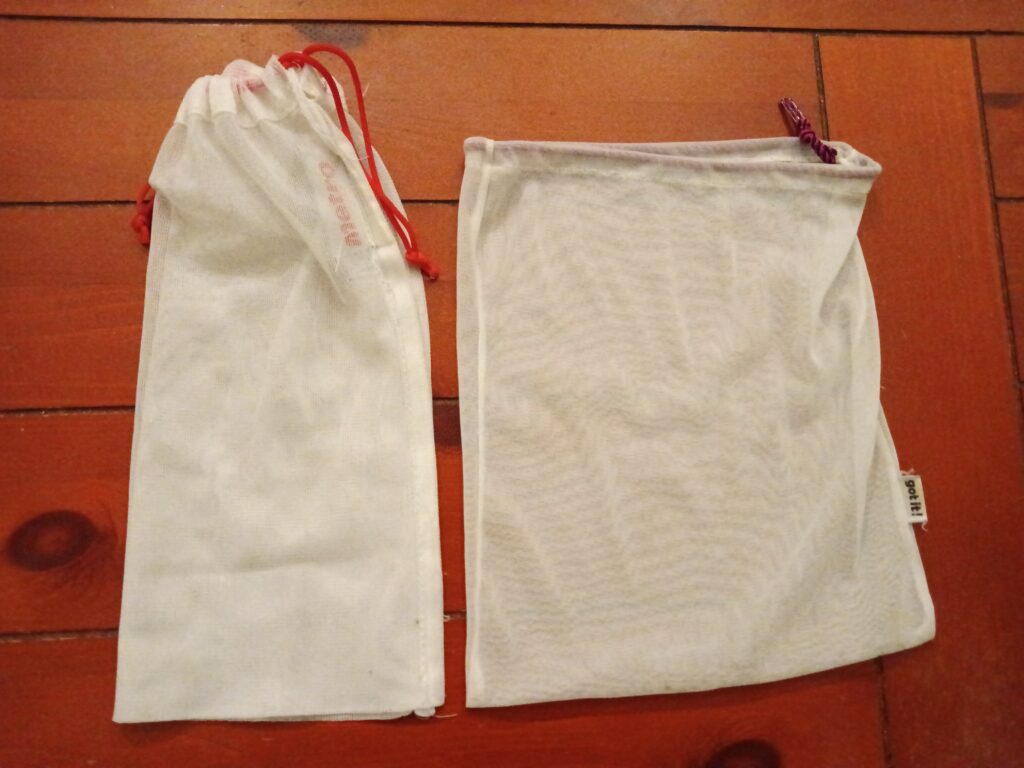
Replaces: Plastic produce bags
When you’re grocery shopping, try using reusable produce bags instead of the plastic bags that are typically on offer. This cuts down on waste and prevents you from accumulating a bunch of plastic bags!
You can generally find mesh or cotton produce bags at bulk stores, eco stores or even in the aisles at the grocery store. They can go in the laundry when they get dirty. Keep the produce bags in your reusable shopping bags so you won’t forget them!
Some produce, such as bananas and potatoes, may not even need bags—you can stick them right in your cart or basket if you feel comfortable.
Spice bottles
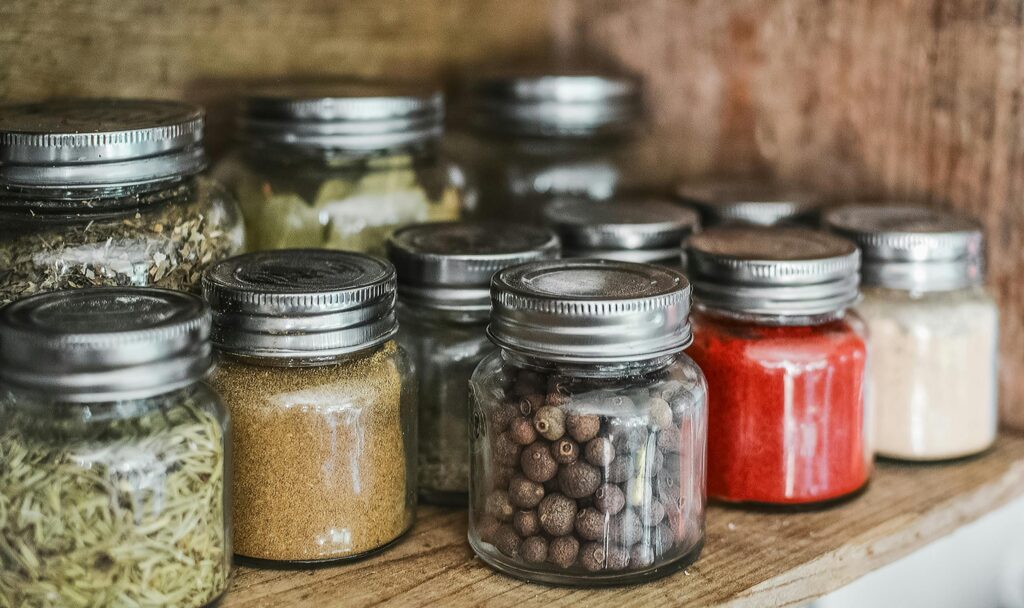
Replaces: Bags of spices
Herbs and spices often come in plastic bags or bottles at the store. Instead of throwing out the bags or accumulating spice bottles endlessly, try filling glass bottles at a bulk store or ethnic food store! This prevents waste and is often cheaper.
Tea strainer
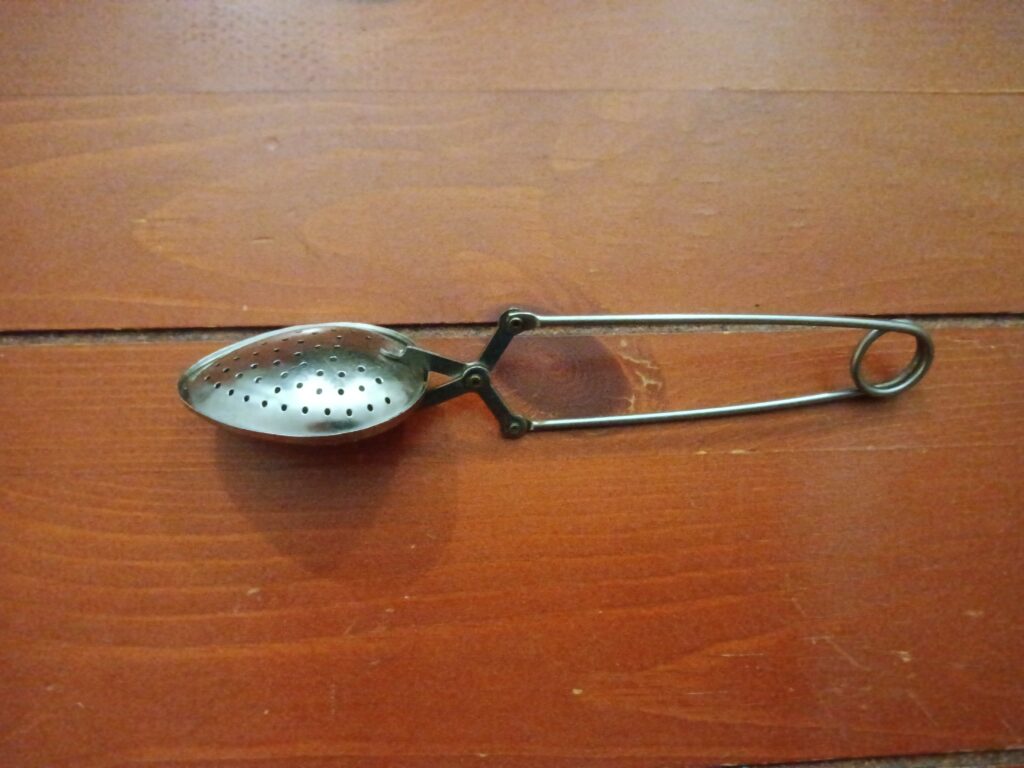
Replaces: Tea bags
A tea strainer makes it easy to drink loose leaf tea. I’m a big fan of tea bags for their convenience, but drinking loose leaf prevents waste and gets around the question of whether tea bags contain plastic.
Tea strainers come in different shapes, including mesh baskets and strainers that clip closed. You can generally just rinse the strainer clean after using it.
Read my blog post on sustainable tea drinking to learn more!
Pastry brush
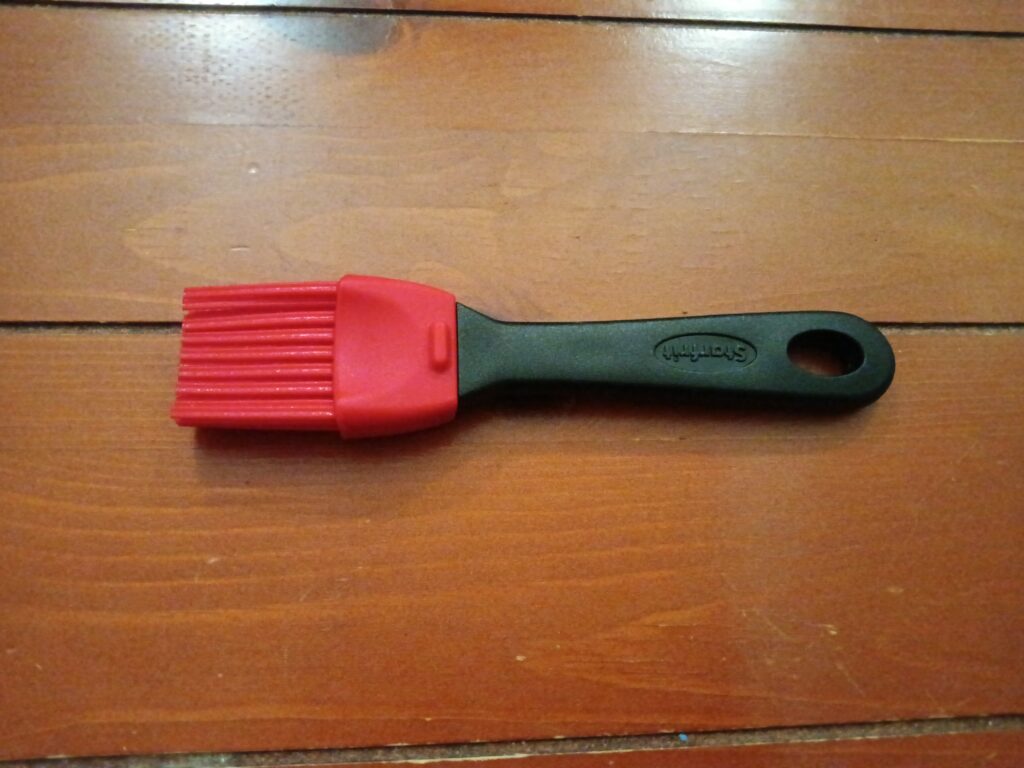
Replaces: Paper towel (for greasing pans)
How do you normally grease a baking pan? You may reach for paper towel to spread your oil or shortening (if you’re not using a silicone baking mat, that is).
Try using a silicone pastry brush instead! This is an easy way to grease a pan and prevent waste. You can also use your pastry brush for applying sauce to savoury dishes. Find out how to clean silicone here.
Low-waste kitchen swaps
From the food itself to storage containers and cleaning supplies, a kitchen can produce a lot of waste! Try some of these kitchen swaps to keep your kitchen clean, tidy and low waste.
I want to know: What swaps have you made to reduce waste in your kitchen?
Categories and tags:
Share this post:

https://www.touchoffinland.com/products/euroscrubby-multi-purpose-scrubber-3-pack
These dish-washing pads are great. Made in Poland, and throw ’em in the laundry when they get grotty. Home Hardware carries them.
Cool! I love that you can just throw them in the laundry!