I don’t particularly enjoy shopping, which makes it easy for me to not buy too many clothes. Instead, I tend to wear my clothes until they get holes in them. (I used to sew a bit with my mother, and I’m trying to get back into it enough to fix the holes.)
We know that clothing production has significant environmental impacts, including greenhouse gas emissions, heavy water consumption and piles of waste.
Here are some ways to green your wardrobe, so you can look great while helping the planet!
The environmental impact of the fashion industry
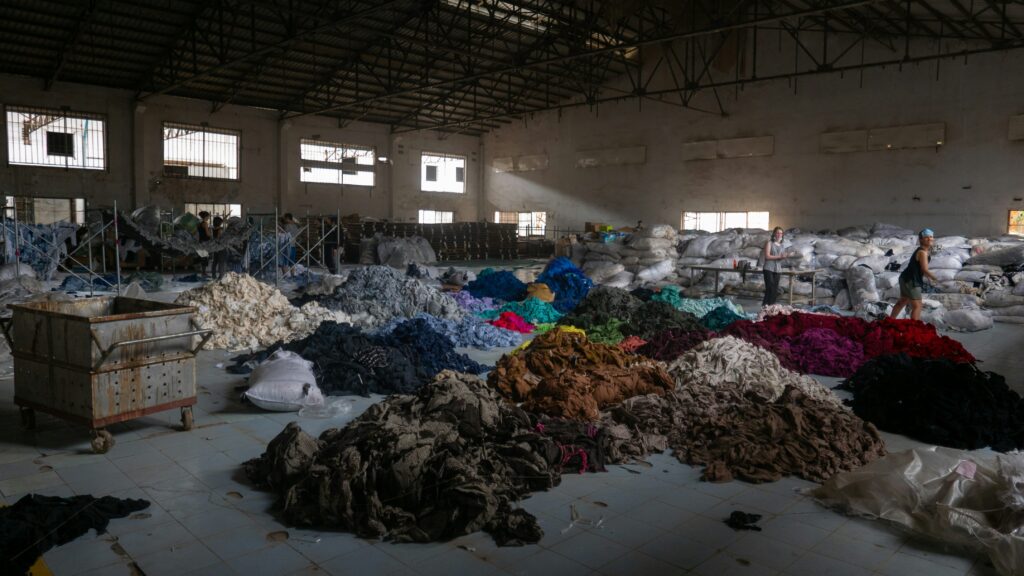
But first … what’s the environmental impact of the fashion industry? Globally, 100 billion new garments are made every year. Yet many items of clothing are discarded after just seven to 10 uses. This means that the equivalent of a garbage truck full of clothes is burned or sent to landfill every second. In Canada, 500,000 tonnes of clothing end up in landfills every year. Clothes also shed microfibres into the ocean: approximately 500,000 tons per year.
Looking at the production of clothes, the fashion industry was responsible for about 4% of global greenhouse gas emissions in 2018. The industry is also the second-biggest consumer of water and responsible for about 20% of industrial wastewater pollution. Workers at garment factories in developing countries are typically paid low wages to work long hours in dangerous conditions.
Ways to green your wardrobe
We can’t avoid buying and wearing clothes. But through cutting our consumption, being thoughtful about our clothing choices and taking better care of our clothes, we can reduce our clothing’s impact on the planet!
Buy less
The easiest way to reduce your clothing’s impact on the planet is to buy fewer clothes! Before buying something, ask yourself whether you’ll actually wear it (multiple times). Does it fit well, look good and feel comfortable? Do you already have something similar in your closet? In most cases, you can get by with the clothing you already own.
Buy sustainable
If you are buying clothes, look for quality, well-made items that will last a long time.
Look as well for clothes made of natural materials like cotton or linen, instead of synthetic materials like polyester or nylon. In general, monomaterials (fabrics made from a single material) are better for the planet than blended textiles because they’re easier to recycle.
Where possible, purchase from sustainable, local, ethical brands. One way to check a brand’s sustainability credentials is to look for a sustainability certification. It’s also important to do your own research to learn more about a brand’s practices.
Buy secondhand
Buying secondhand keeps items in circulation for longer. Try visiting your local thrift or vintage clothing shop! Fashion Takes Action has a handy map of secondhand clothing stores in major Canadian cities.
Alternatively, you could buy secondhand clothes on a resale platform like Depop, Poshmark, Facebook Marketplace, ThredUp or Vinted.
Rent, borrow or swap
Sometimes, you don’t need to buy a piece of clothing if you’ll only use it for a short while! Try clothing rental for special occasions like weddings and prom. Alternatively, you could borrow an item from a friend or family member.
Another way to spruce up your wardrobe without spending a cent is to host a clothing swap. This is an event where people donate and then swap clothes. Find out how to host a clothing swap here.
Look after your clothes properly
Looking after your clothes properly will help extend their life. Make sure to read and follow the instructions on the label! Find out what the different symbols on clothing labels mean here.
General care tips include washing clothes less often, washing in cold water, air drying and handwashing delicate fabrics.
Repair or upcycle
Learn how to do basic clothing repairs, like patching a hole or sewing on a button. This will allow you to wear your clothes longer. This is where YouTube sewing tutorials can come in handy! If you’re not skilled at sewing, look for a local repair café or support a local tailor.
If the item of clothing isn’t fixable, you may be able to turn it into something else, like a tote bag, rag or craft.
Donate or sell
Once an item has reached the end of its life or you’re sure you won’t wear it again, you have a few options. Check whether your municipality accepts clothes in its recycling program (most don’t). If not, you could donate your clothes to a local shelter, charity, thrift store or clothing donation bin (or a friend, of course).
Look into what happens to clothes that are donated. Often, clothes are sorted by type and condition, then either sold at a local thrift store, downcycled or shipped to countries in the Global South. Learn more about the clothing donation process in this page from Love Your Clothes.
If you’d rather not donate your clothes, you could try selling them on one of the resale platforms I mentioned above or at a consignment store. Some brands also offer clothing take-back programs.
Sustainable clothing tips
From water use to carbon emissions and plastic pollution, the fashion industry is not known for being particularly sustainable. Try some of these tips to improve the sustainability of your closet!
I want to know: Do you have any other sustainable fashion tips?
Categories and tags:
Share this post:
